
Preference shares are another type of equity securities issued by firms that combine the features of common shares as well as debt securities. Just like common shares, they do not mature, and can have features such as call and put options. However, like interest payments in debt securities, holders of preferred shares receive fixed payments in the form of dividends at a pre-set rate. Dividends are also generally higher than the dividends paid to common shareholders. Preference shares do not have voting rights.
The dividend payments to preference shares can be cumulative, non-cumulative, participating, or non-participating.
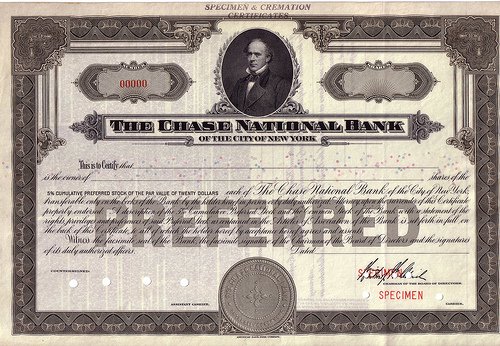
| Preference Shares | Description |
| Cumulative Preference Shares | Dividend accrues. If the company doesn’t pay dividend in one year it must be paid in the future period before paying dividends to common shareholders. |
| Non-cumulative Preference Shares | Dividends do not accumulate over time if not paid. However, if a company decides to pay dividends to common shareholders in a particular year, it can do so only after paying dividends to preference shares. |
| Participating Preference Shares | Shareholders receive standard preference dividend plus additional dividends if the company’s profits are above a pre-specified level.They may also have provisions under which if the company is liquidated, they will receive value greater than the par value. |
| Non-participating Preference Shares | The shareholders receive only the standard preference dividend. They do not participate in the company’s profits.They receive only par value on liquidation. |